
Udawalawe National Park: 5 Amazing Tips for Elephant Safaris
An unforgettable guide to the island's best sights for you and your kids.
Your Ultimate Guide to Udawalawe National Park: The Home of Giants
Welcome to Udawalawe National Park, Sri Lanka’s finest destination for seeing wild elephants. Located in the south-central part of the island, Udawalawe National Park is widely regarded as one of the best places in Asia to guarantee sightings of Asian elephants in their natural habitat. With open grasslands and reservoir views set against a backdrop of mountains, this park offers a unique and highly rewarding safari experience that is often less crowded than its famous neighbor, Yala. If your primary goal is to see these majestic creatures up close and in large numbers, Udawalawe National Park is the perfect choice for your Sri Lankan safari.
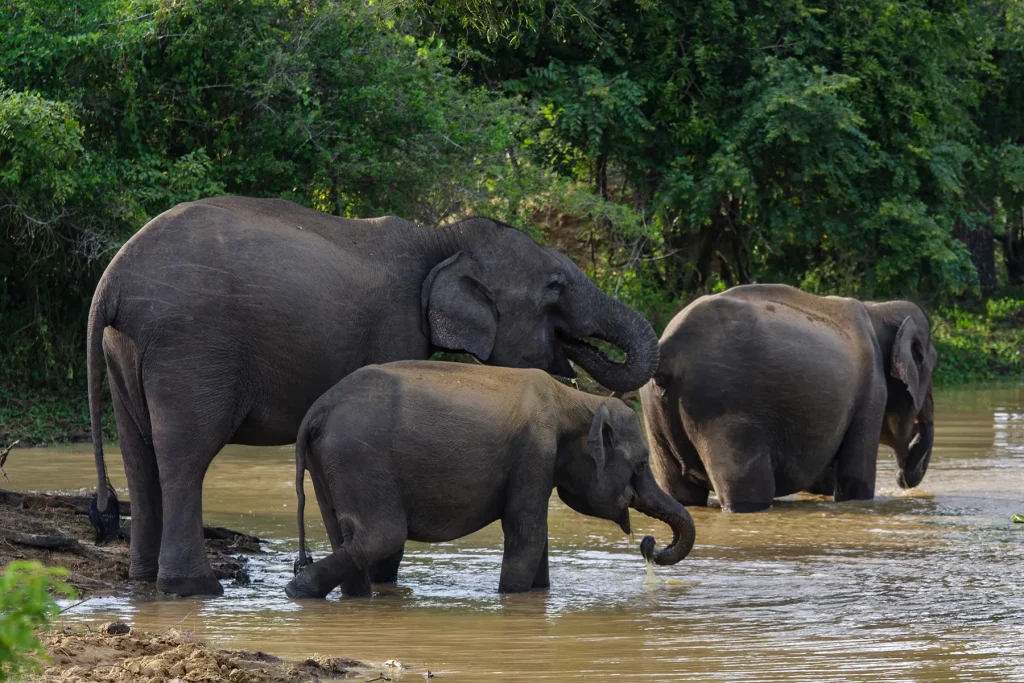
Table of Contents
Why Udawalawe National Park Guarantees Elephants
Udawalawe National Park was established in 1972 to provide sanctuary for the wild animals displaced by the construction of the Udawalawe Reservoir, which floods the valley. Today, the park is home to a population of 500-600 elephants, which is highly stable due to the year-round availability of water and food. The park’s open, scattered scrubland and grasslands—unlike the denser jungle of some other reserves—make game spotting incredibly easy. Visitors are almost guaranteed to see multiple large herds of elephants roaming, feeding, and bathing, often up close to the safari jeeps.
Visiting the Elephant Transit Home (ETH)
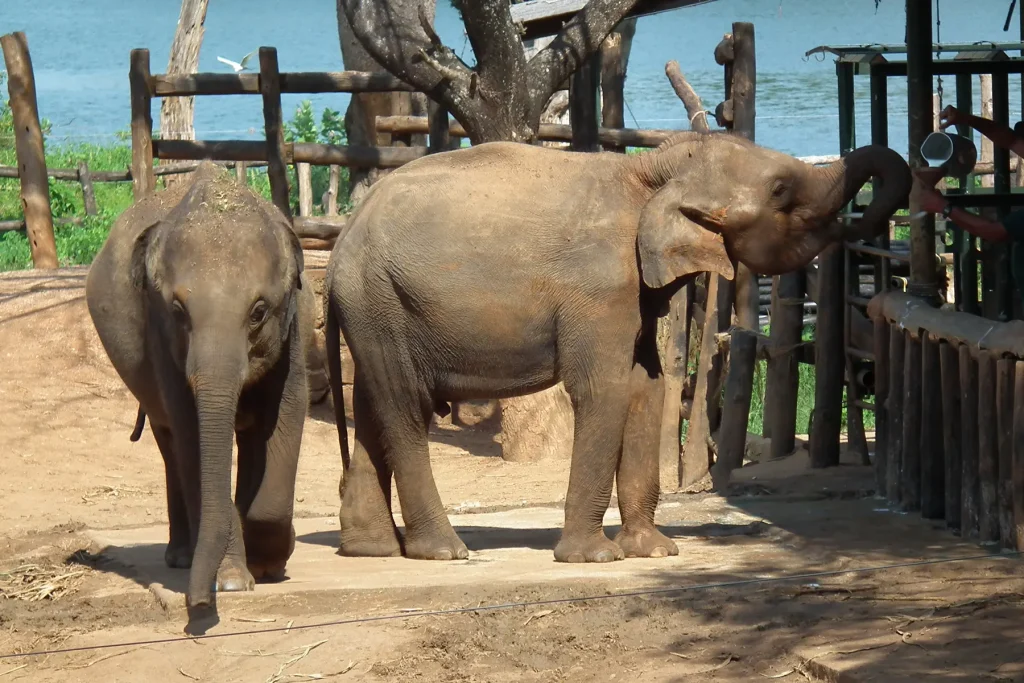
A major highlight of any trip to Udawalawe National Park is a visit to the nearby Elephant Transit Home (ETH). This ethical facility, run by the Department of Wildlife Conservation, cares for orphaned or injured elephant calves with the primary goal of rehabilitating them and releasing them back into the wild (often into Udawalawe).
Ethical Viewing
Visitors are kept behind a barrier and cannot touch, feed, or pose with the animals, ensuring the elephants maintain their natural wild instincts.
Feeding Times
The most popular times to visit are during the feeding sessions (typically at 10:30 AM and 2:30 PM), when you can watch the adorable young elephants rush in from the surrounding forest to drink milk.
Top 5 Amazing Tips for a Successful Udawalawe Safari
Maximizing your chances of a spectacular sighting requires preparation and timing.
1. Go Early or Late
he best time to see the elephants at their most active is during the early morning (6:00 AM) or the late afternoon (post 3:00 PM). The midday heat causes animals to retreat into the shade.
2. Combine with ETH
Plan your safari around the feeding times of the Elephant Transit Home for a comprehensive, heartwarming experience. An afternoon safari followed by the 6:00 PM ETH feeding is a popular choice.
3. Choose Your Safari Type
Most safaris are 3-4 hours, which is generally sufficient given the high concentration of elephants. Only consider a full-day safari if you are a dedicated birdwatcher or looking for the park’s more elusive species.
4. Hire a Knowledgeable Guide
While elephant sightings are common, an experienced guide will be crucial for spotting the rarer animals (like the mongoose or jungle cats) and identifying the many diverse bird species.
5. Look for the 'Big Four'
While leopards and sloth bears are rare, Udawalawe is fantastic for its Elephants, Water Buffalo, Mugger Crocodiles, and large flocks of birds (especially migratory species between November and March).
The Wildlife Beyond the Elephants
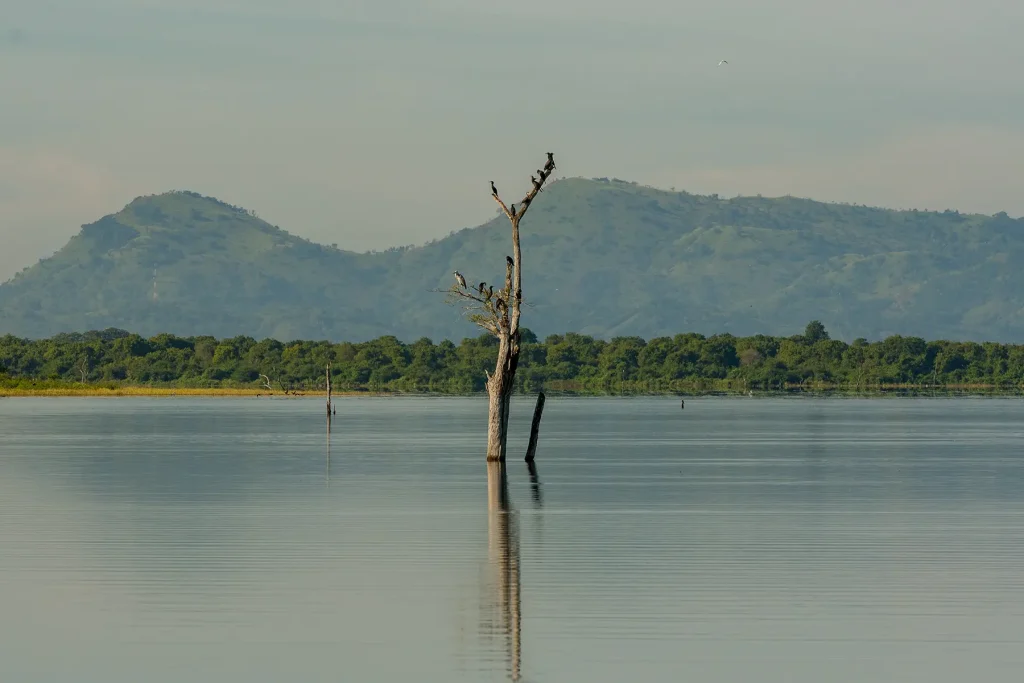
Though known for elephants, Udawalawe National Park offers rich biodiversity. The Udawalawe Reservoir, which dominates the park’s center, is a magnet for crocodiles, water buffalo, and countless species of water and wader birds. The park’s habitats support:
Reptiles
Large Mugger Crocodiles are often seen basking on the muddy banks of the reservoir.
Birds
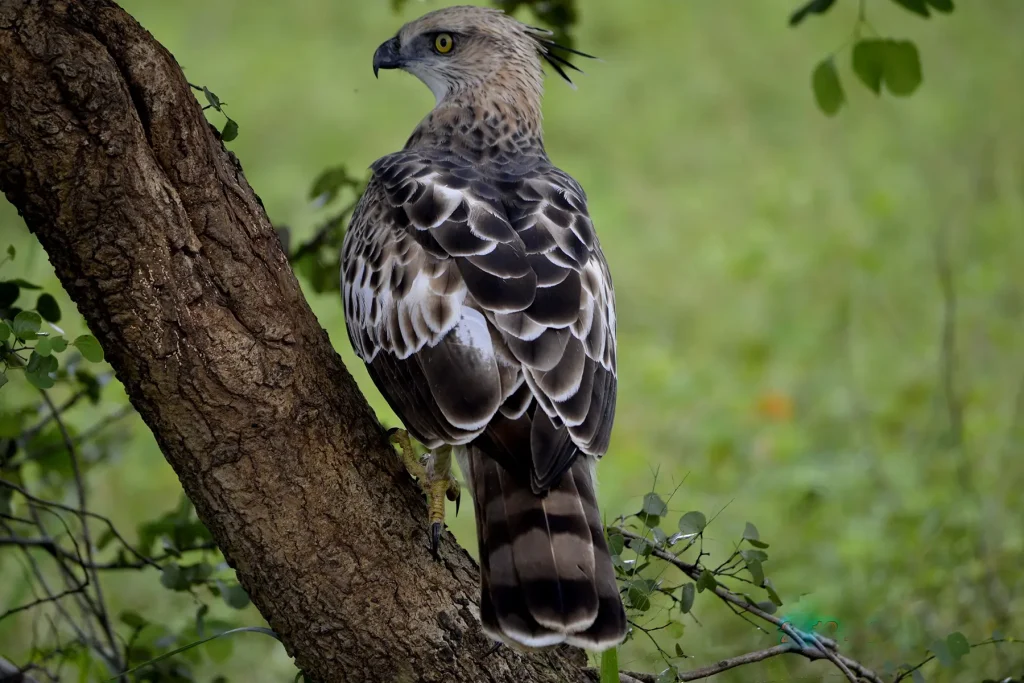
With over 184 species recorded, the park is a fantastic birdwatching destination, hosting Malabar Pied Hornbills, Painted Storks, and various species of eagles.
Mammals
Look out for spotted deer, sambar deer, water buffalo, and various primates like the Toque Macaque. The open landscape provides clear views, enhancing the quality of your game drive.
Best Time to Visit Udawalawe National Park
Udawalawe National Park is an excellent year-round safari destination. The abundance of water in the central reservoir means the elephant population does not drastically fluctuate.
Optimal Time (Mid-May to September)
The dry season is generally considered the best time for photography and sightings, as the low water levels force all animals to congregate closer to the reservoir banks.
Wet Season (October to January)
The landscape is lush and green, offering a beautiful backdrop, and the birdlife is particularly vibrant due to migratory species arriving.
Essential Safari Logistics and Fees
Safari Duration
Most safaris are 3-4 hours, starting at 6:00 AM or 3:00 PM.
Fees
The cost of a safari involves two components: the Park Entrance Fee (per person, paid at the gate) and the Jeep Hire Fee (per jeep, paid to the operator). Prices are standard across most reputable operators.
Getting There
Udawalawe is conveniently located between the Hill Country and the South Coast. It’s a popular stop for transfers between Ella and the beach towns of Mirissa or Galle.
For a comparison with the famous leopard reserve, view our guide to Yala National Park.
To learn more about the conservation work, visit the Elephant Transit Home (ETH) official page on the Department of Wildlife Conservation website.
Ready to Plan Your Udawalawe Safari?
Let our experts craft a personalized itinerary that includes this unforgettable safari adventure.