
Embark on a Sri Lanka Foodie Tour!
An ultimate culinary adventure through the island's most vibrant flavors and authentic dishes.
Your Ultimate Sri Lanka Foodie Tour Begins Here
Welcome to the aromatic, spice-filled world of Sri Lankan cuisine! A Sri Lanka foodie tour is not just about eating; it’s an immersive cultural experience that engages all your senses. This island nation, strategically located on ancient spice routes, has a culinary heritage as rich and diverse as its landscapes. From the fiery curries of the south to the subtly spiced delicacies of the north, every meal tells a story.
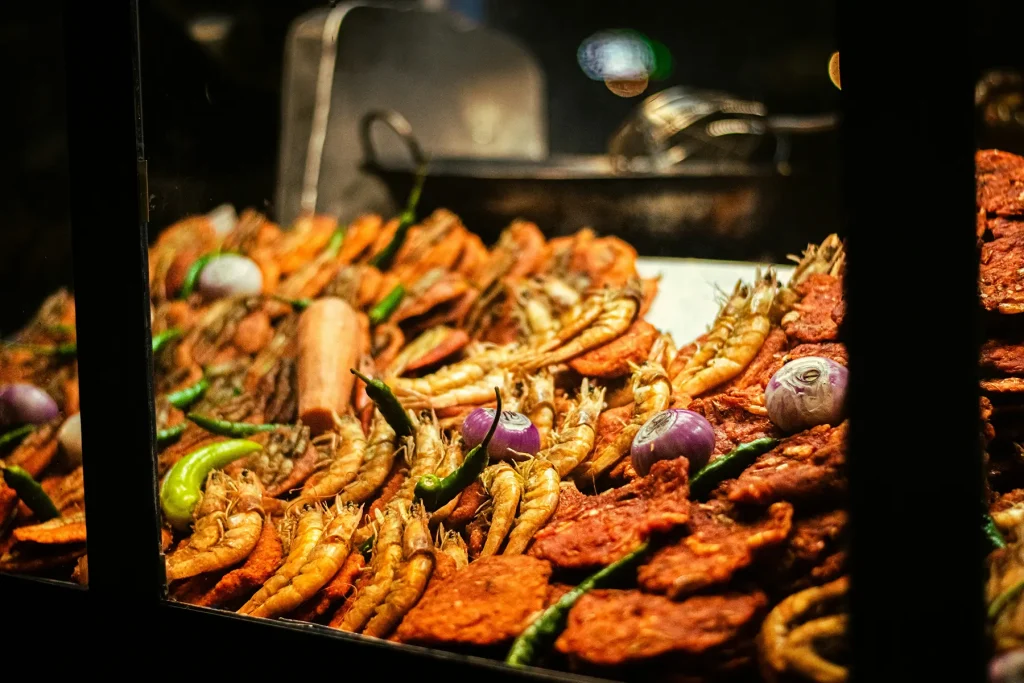
Our comprehensive Sri Lanka foodie tour guide is meticulously crafted to ensure you savor every authentic flavor this beautiful country has to offer. We’ll explore the must-try dishes, highlight unique regional specialties, suggest a sample itinerary, and provide invaluable tips for an unforgettable culinary adventure. Prepare your taste buds for an incredible journey!
Iconic Dishes: 7 Must-Try Foods on Your Sri Lanka Foodie Tour
To truly experience a Sri Lanka foodie tour, you must delve into its most beloved and traditional dishes.
Here are 7 culinary gems you absolutely cannot miss:
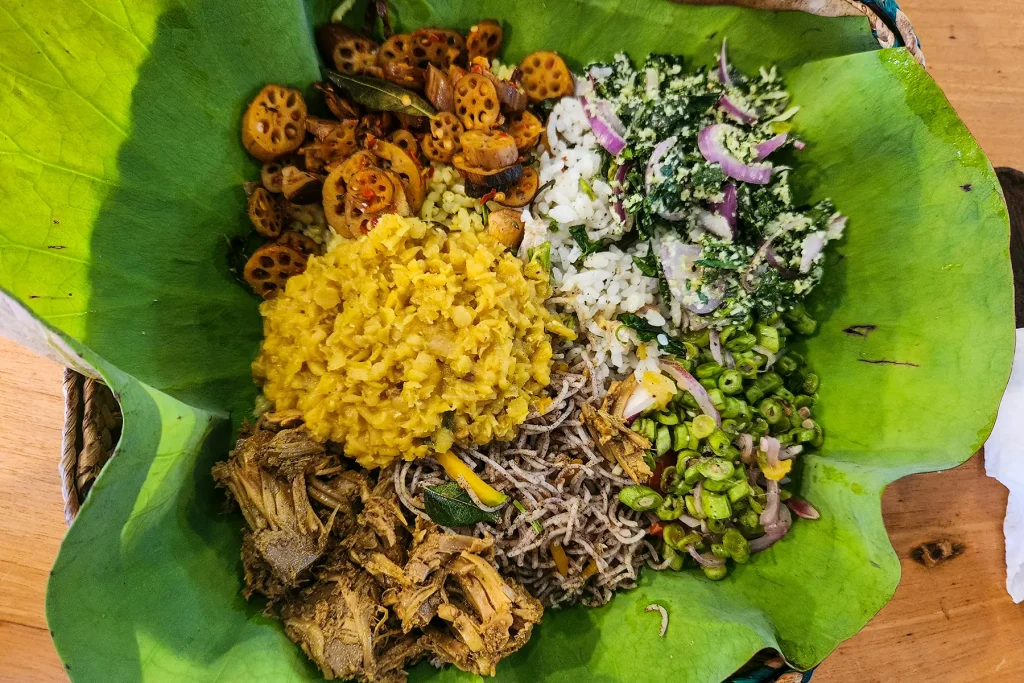
1. Rice & Curry
More than just a dish, it’s a gastronomic event. A central mound of fluffy rice is surrounded by 5-7 different small bowls of curries, typically featuring a main protein (fish, chicken, or dhal) alongside an array of vegetable curries like brinjal (eggplant) moju, potato white curry, snake gourd, or green bean stir-fry. Each curry is cooked with a unique blend of spices and coconut milk, creating a symphony of flavors.
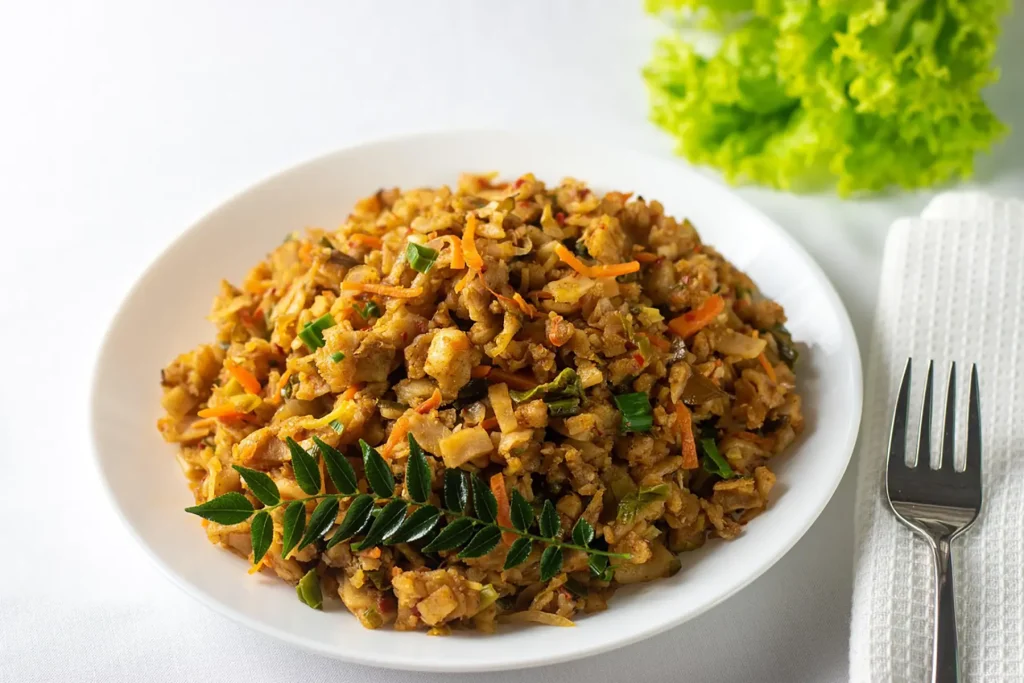
2. Kottu Roti
The ultimate Sri Lankan street food! Hear the rhythmic clang-clang of metal blades chopping a flaky, griddled flatbread (godhuma rotti) with finely sliced vegetables, egg, and your choice of chicken, beef, or cheese. It’s savory, satisfying, and utterly addictive, especially after a long day of exploring your Sri Lanka foodie tour.
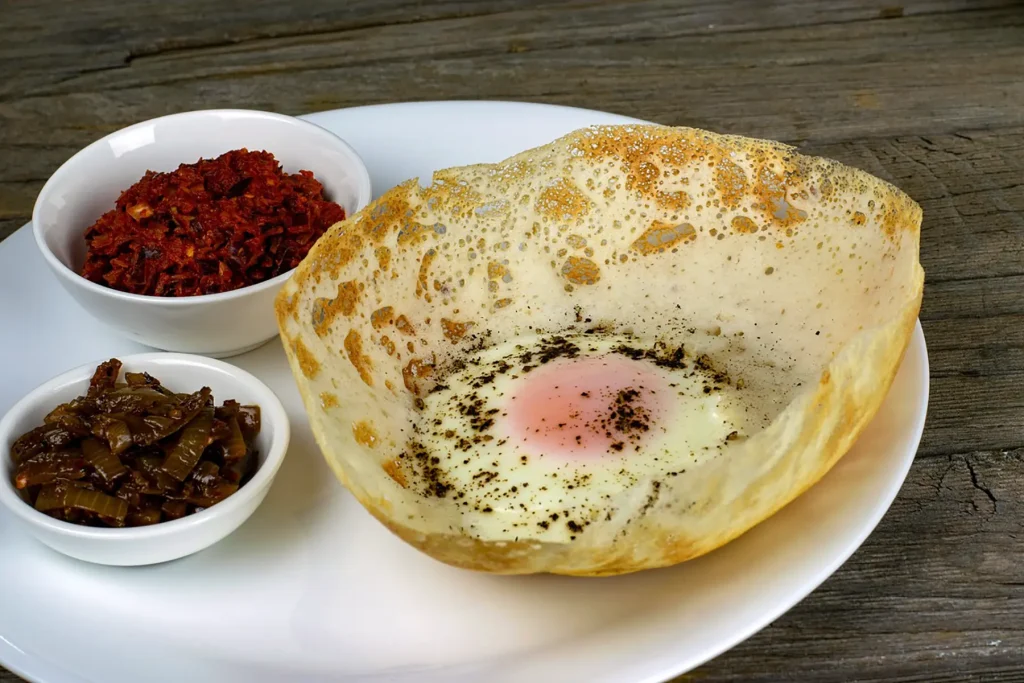
3. Hoppers (Appa)
A breakfast or dinner staple, these delicate, bowl-shaped pancakes are made from a fermented rice flour and coconut milk batter. Cooked in small woks, they feature crispy edges and a soft, spongy center. Try them plain, with a fried egg nestled in the middle (Egg Hoppers), or as String Hoppers (Idiyappam), which are steamed rice noodle nests.
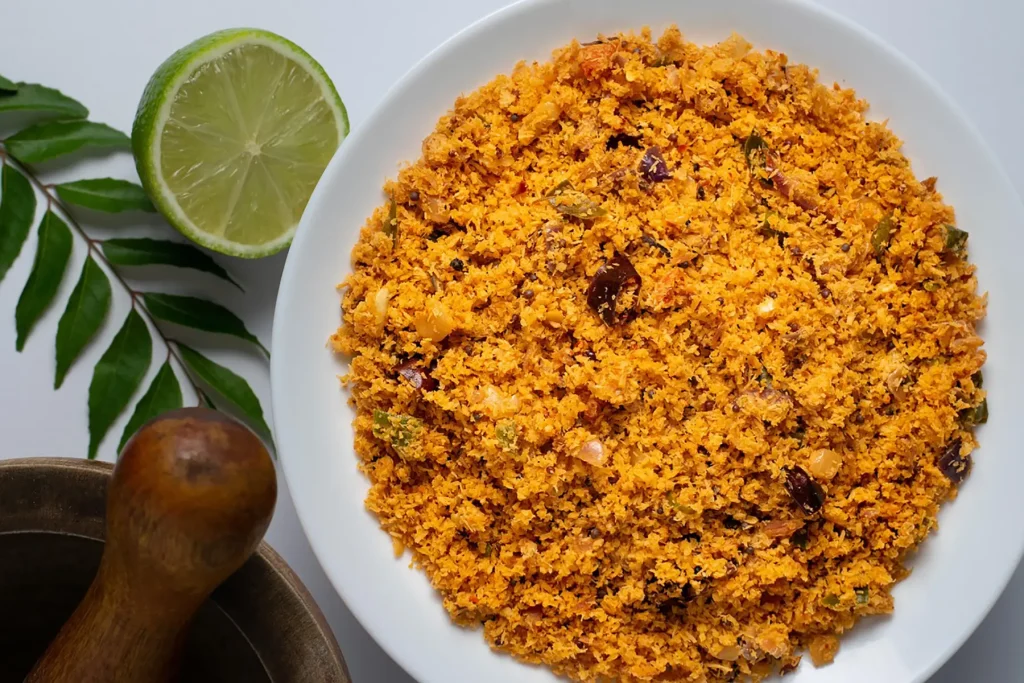
4. Pol Sambol
A fiery, fresh condiment that accompanies almost every meal. Made from grated coconut, red chilies, lime juice, red onion, and often Maldive fish (dried, cured tuna), it adds a zesty, spicy kick that perfectly complements mild curries.
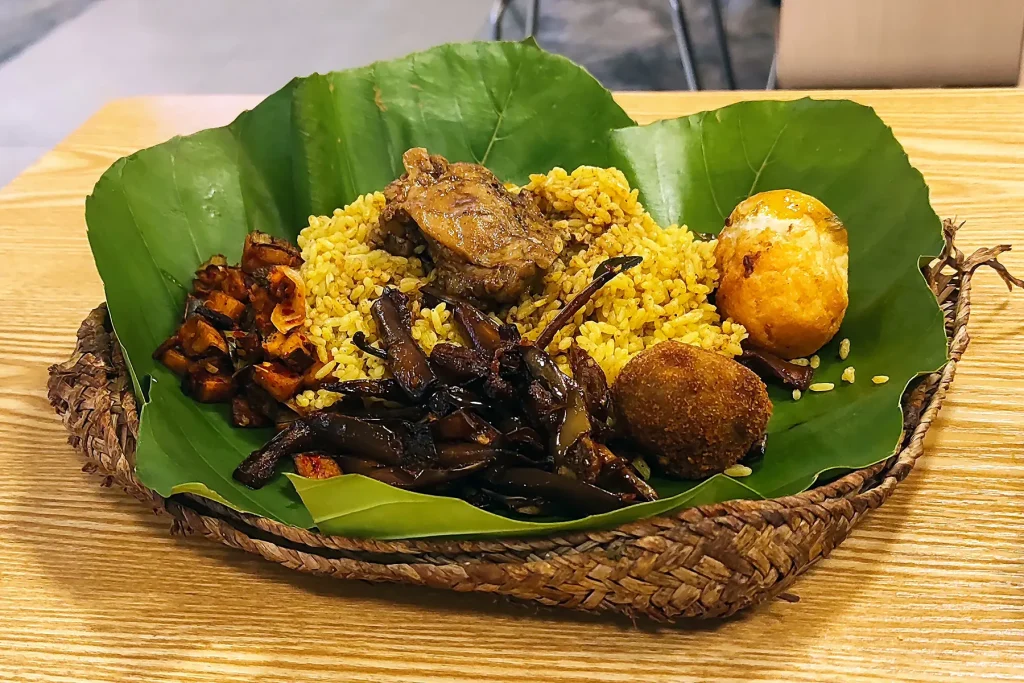
5. Lamprais
A Dutch Burgher influence, this incredibly flavorful meal consists of rice cooked in meat stock, a special mixed meat curry (often beef, pork, and chicken), blachan (shrimp paste), brinjal paahi (eggplant pickle), and frikkadels (meatballs), all wrapped in a banana leaf and baked. It’s a complete and satisfying meal experience on any discerning Sri Lanka foodie tour.
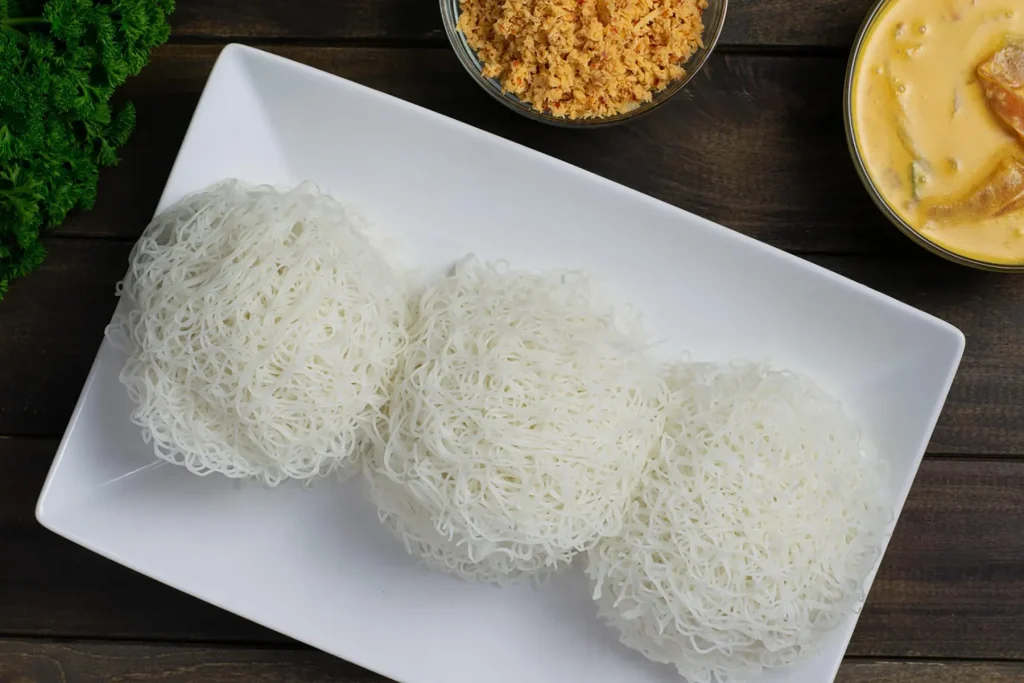
6. String Hoppers (Idiyappam)
A traditional Sri Lankan staple made from steamed rice flour dough pressed into thin, lace-like noodles and formed into small nests. Often enjoyed with coconut sambol, dhal curry, or a rich coconut-based gravy, making it a light yet satisfying dish.
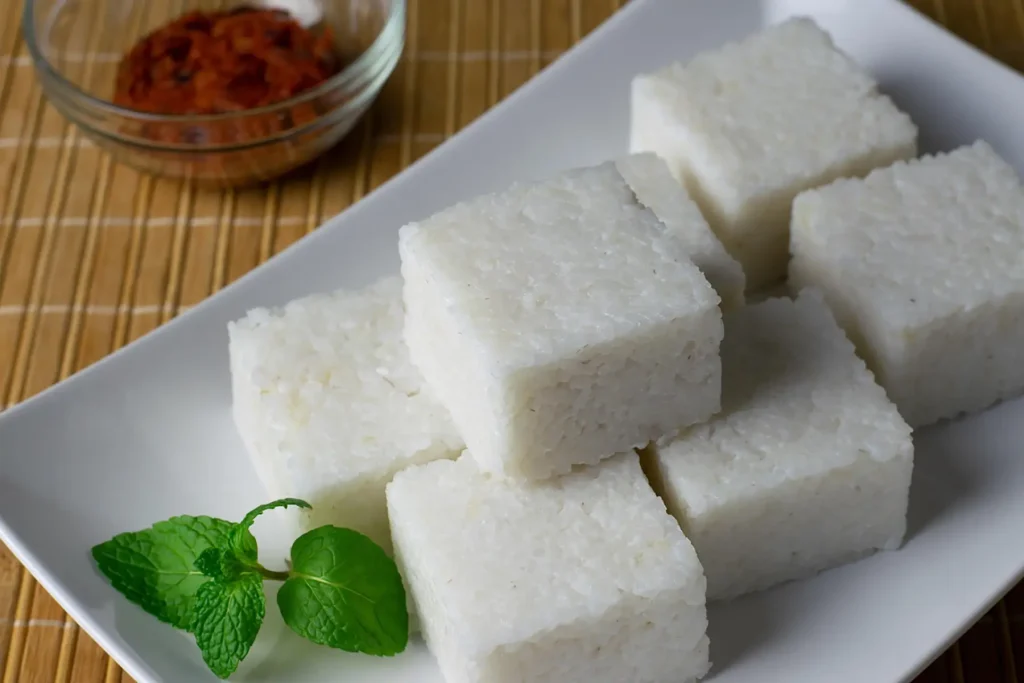
7. Milk Rice (Kiri Bath)
A beloved Sri Lankan ceremonial dish made by cooking rice in thick coconut milk until creamy and fragrant, then cut into diamond-shaped pieces. Often served with lunu miris (spicy chili-onion sambol) or jaggery for a sweet contrast, it symbolizes prosperity and celebration.
Regional Flavors: A Culinary Map of Sri Lanka
A truly authentic Sri Lanka foodie tour embraces the diversity of regional cuisines.
Each province boasts unique dishes and preparation styles:
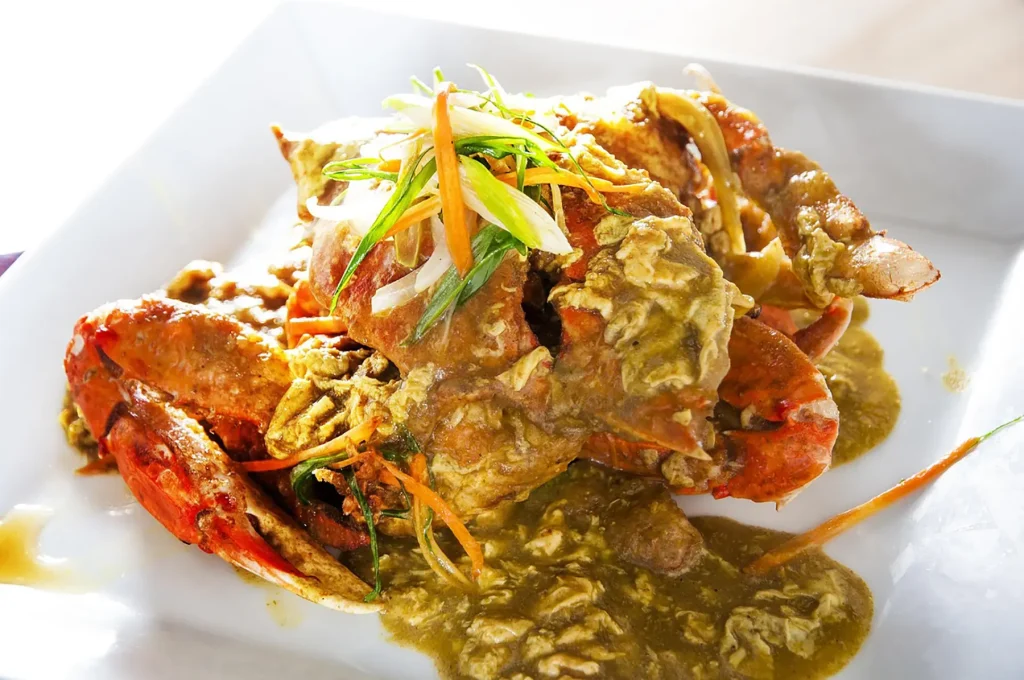
The North (Jaffna)
Dominated by Tamil culinary traditions, the food here is known for its intense spices and often uses more tamarind and red chili. The Jaffna Crab Curry is legendary, a fiery, rich dish that seafood lovers must try. Other specialties include Odiyal Kool (a seafood broth) and a variety of vegetarian dishes.
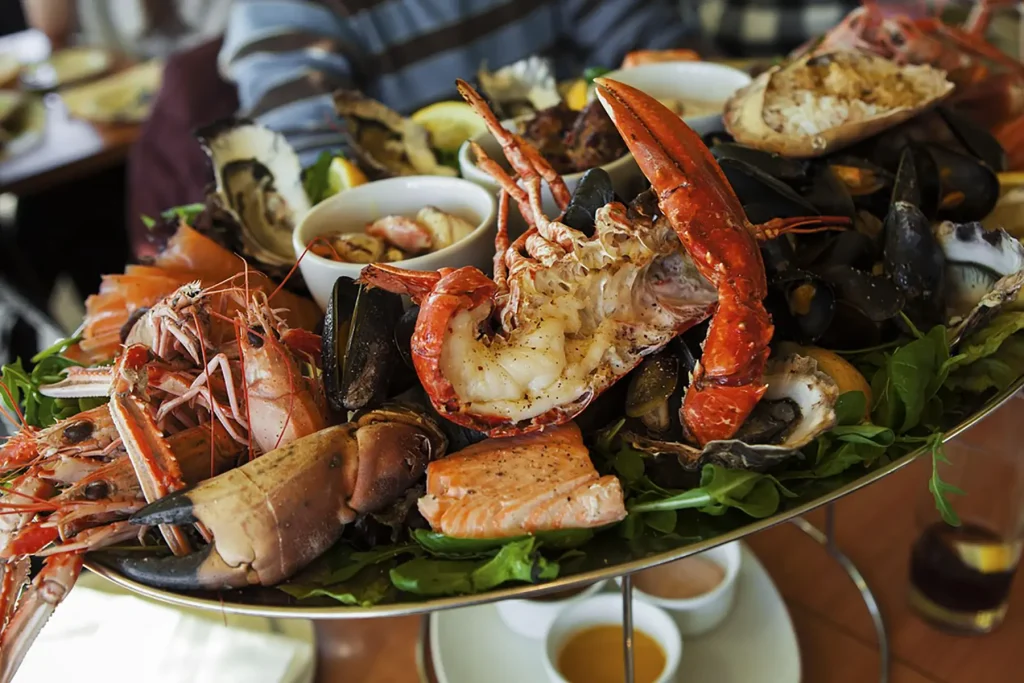
The South Coast
This region is a haven for seafood enthusiasts. Towns like Mirissa, UnawatunaUnawatuna, and Hikkaduwa offer an abundance of fresh fish, prawns, and crabs. Many beachfront restaurants allow you to pick your catch, which is then grilled or curried to perfection. Fish Ambul Thiyal (sour fish curry) is another southern specialty, known for its distinct tangy flavor.
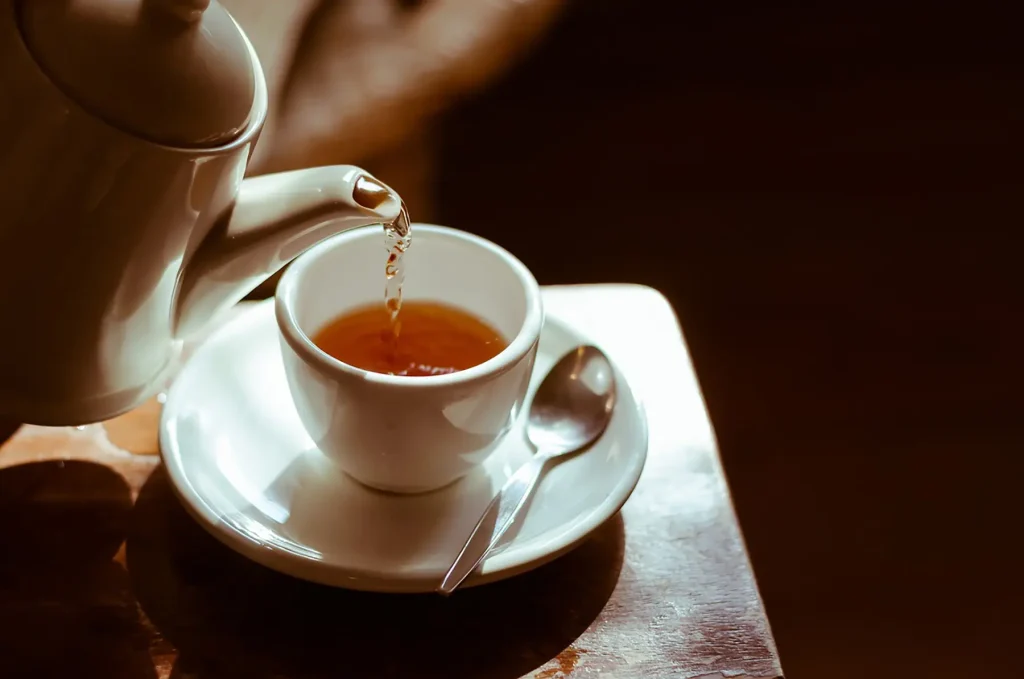
The Hill Country (Kandy & Ella)
Nestled amidst rolling tea plantations, this region is famous for its milder, often British-influenced cuisine and, of course, its tea. While you’ll still find delicious curries, a visit here demands sampling freshly brewed Ceylon Tea, often accompanied by short eats (savory snacks). Don’t miss the opportunity to visit a tea factory and learn about the intricate process from leaf to cup.
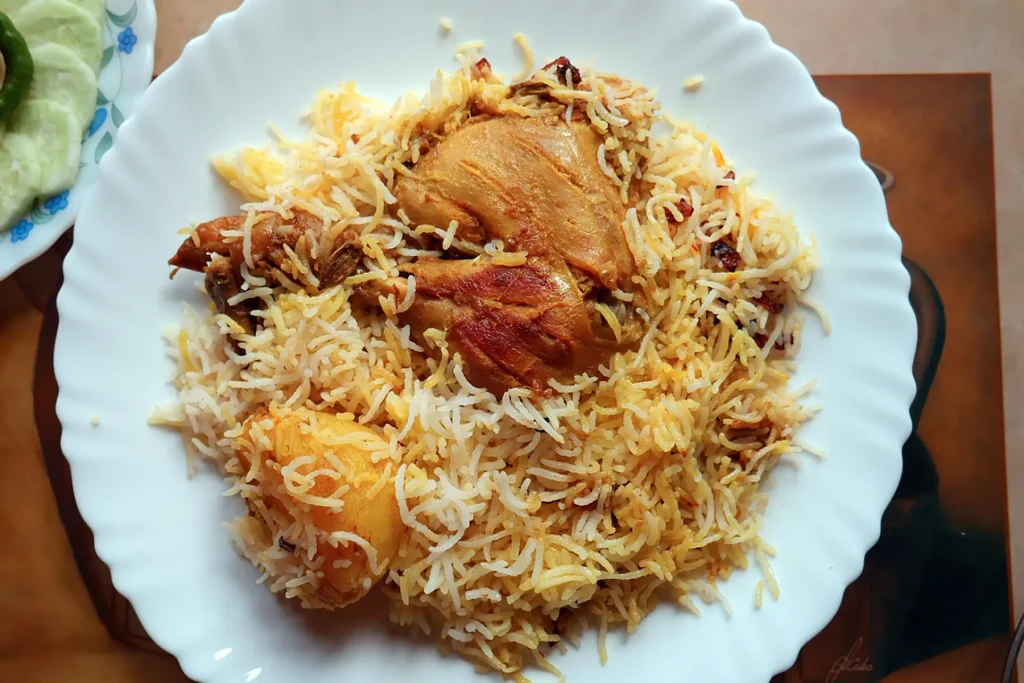
The East Coast (Arugam Bay)
With a mix of Tamil and Muslim influences, the East Coast offers slightly different flavors. Fresh seafood is abundant, and you’ll find delectable biryanis and other Middle Eastern-inspired dishes alongside traditional curries.
Craft Your Own Adventure: A Sample Sri Lanka Foodie Tour Itinerary
To help you plan your ideal Sri Lanka foodie tour, here’s a sample 7-day itinerary focusing purely on culinary exploration:
- Days 1-2: Colombo – The Urban Food Hub: Start your Sri Lanka foodie tour in the capital. Explore the vibrant Pettah Market for street snacks like Isso Vadei and a fresh fruit juice. Indulge in a local rice and curry at a “hotel” (local restaurant) and experience the bustling night scene with Kottu Roti. Consider a guided street food tour.
- Days 3-4: Kandy – Hill Country Delights & Cooking Classes: Travel to the lush Hill Country. In Kandy, take an authentic Sri Lankan cooking class to learn the secrets of curries and sambols. Enjoy traditional hoppers for breakfast. Visit a spice garden to understand the origins of the flavors.
- Days 5-6: Galle & Mirissa – Coastal Seafood Feast: Head south to the historic city of Galle. Explore the Dutch Fort, stopping for short eats and local sweets. Continue to Mirissa or Unawatuna for an unforgettable fresh seafood dinner right on the beach, picking your own catch of the day.
- Day 7: Departure: Savor one last Sri Lankan breakfast, perhaps a delightful milk rice (Kiribath) with a spicy sambol, before heading to the airport. This concludes an incredible Sri Lanka foodie tour.
Beyond the Plate: Immersive Foodie Experiences
To truly enhance your Sri Lanka foodie tour, consider these engaging activities:
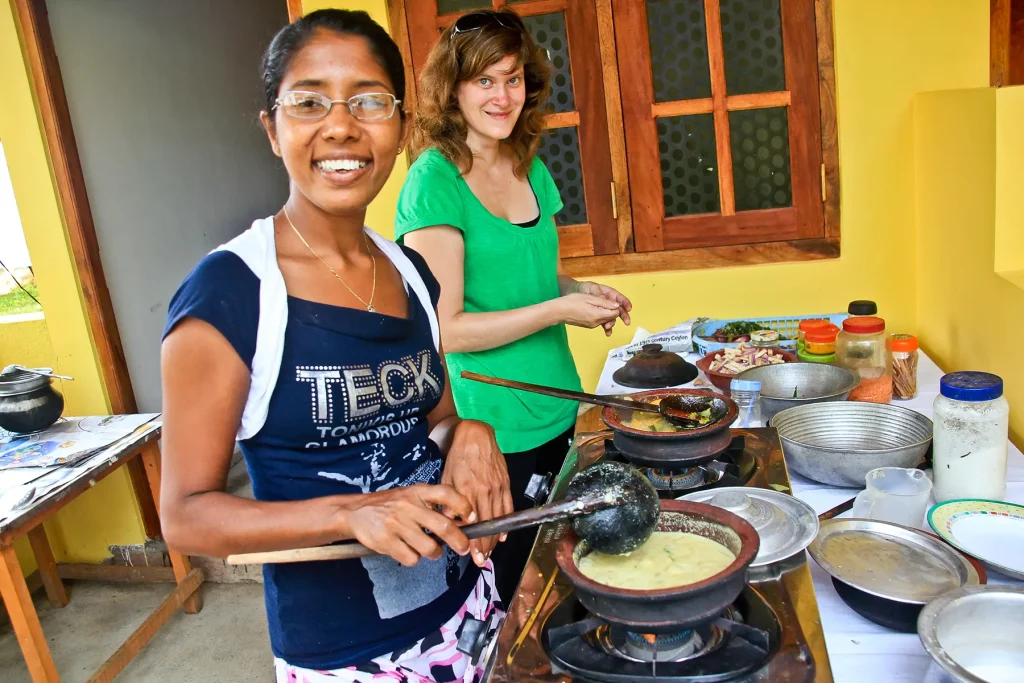
Cooking Classes
Many guesthouses and dedicated culinary schools in areas like Ella, Kandy, and Galle offer hands-on cooking experiences. You’ll learn to prepare several curries, hoppers, and sambols, often culminating in enjoying the meal you’ve cooked.
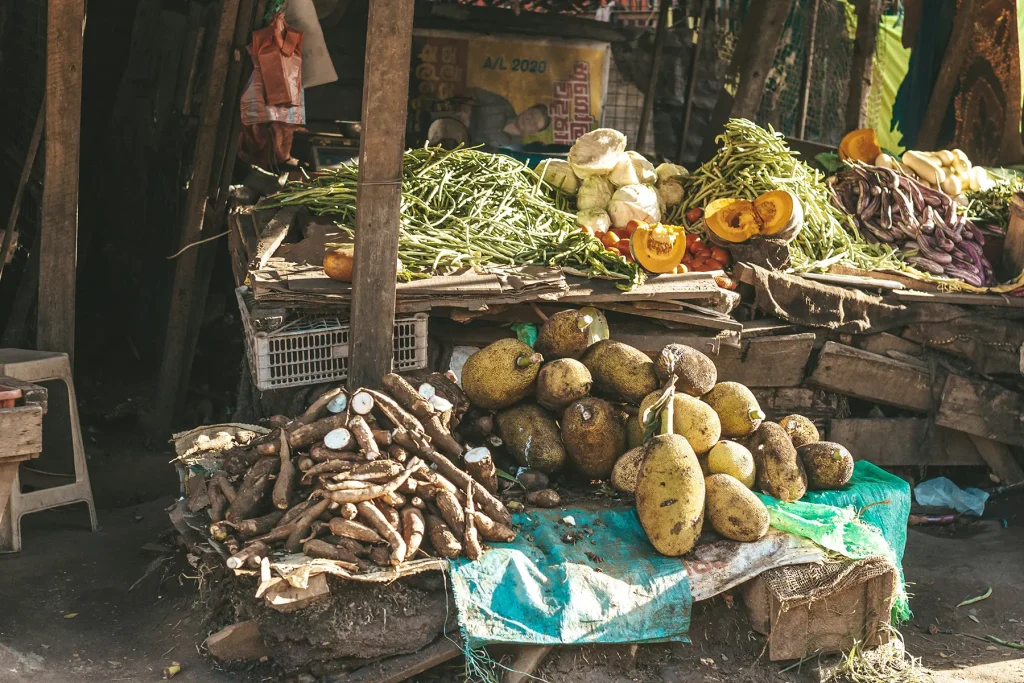
Local Market Visits
Immerse yourself in the sensory overload of a bustling local market. See exotic fruits, vibrant spices, and fresh produce. It’s a fantastic way to understand the ingredients that make Sri Lankan cuisine so special.
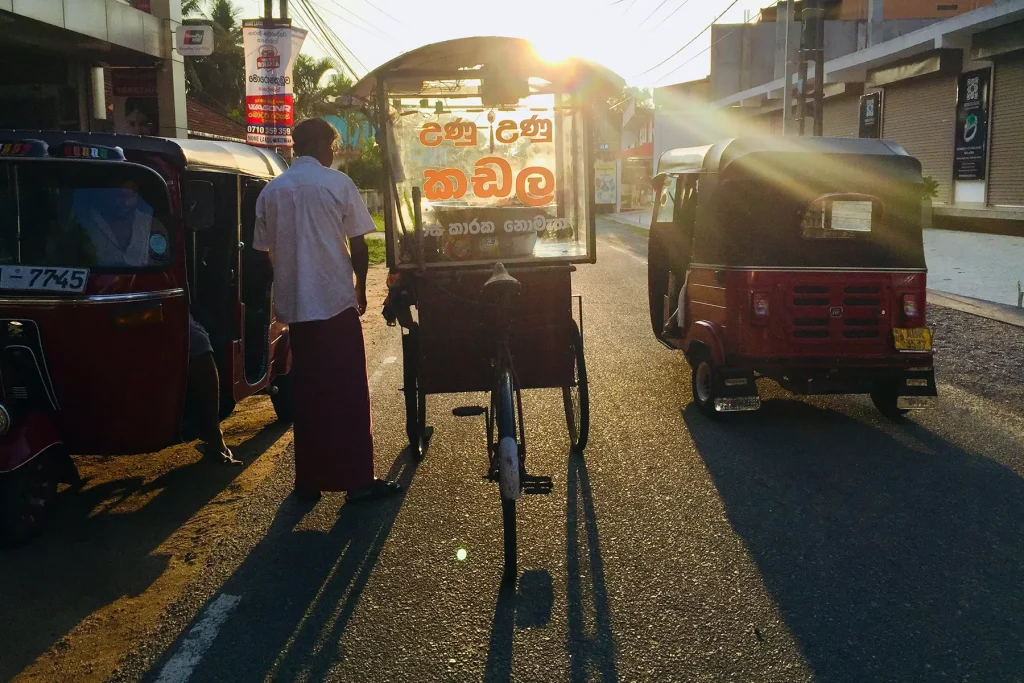
Street Food Crawls
Particularly in Colombo or Galle Fort, joining a local guide for a street food tour can introduce you to hidden gems and allow you to sample a wide variety of snacks in a safe and informative way.
Spice Garden Tours
In regions like Matale, you can visit spice gardens to learn about how various spices (cinnamon, cardamom, cloves, nutmeg, pepper) are grown and processed. This adds a deeper appreciation for the flavors you’ll taste on your Sri Lanka foodie tour.
Tea Factory Tours
In the Hill Country, a visit to a tea factory offers insight into the world-renowned Ceylon tea. You can observe the plucking, wilting, rolling, fermentation, and drying processes, followed by a tasting session.
Essential Tips for a Seamless Culinary Trip
Spice Levels & Your Palate
Sri Lankan food is famously spicy! If you’re sensitive to heat, always ask for your curry “not spicy” (masi netuwa) or “mild.” Most cooks are happy to accommodate. Don’t be shy about trying a little bit of everything on your Sri Lanka foodie tour!
Embrace Local Dining Etiquette
Don’t be afraid to try eating with your hands as the locals do! It’s a key part of the cultural experience, especially with rice and curry. Always use your right hand. However, it’s perfectly acceptable to ask for a spoon and fork if you prefer.
Seek Out Authentic Experiences
For the most authentic Sri Lanka foodie tour experience, seek out small, family-run restaurants (often called “hotels” or “restaurants”), roadside stalls, and local markets. These are where the true flavors reside, and prices are often significantly lower than in tourist-oriented establishments.
Ready to Taste Sri Lanka?
Let our experts craft a custom itinerary that takes you to the best food spots on the island, ensuring your ideal Sri Lanka foodie tour.