
Sigiriya Rock Fortress - Ultimate Guide to Sri Lanka's Sky Palace
Explore the incredible history and breathtaking beauty of Sigiriya, the ancient Lion Rock fortress.
Sigiriya's Astonishing History: A Tale of Rebellion and a Forgotten King
Often hailed as the Eighth Wonder of the World, Sigiriya is an ancient rock fortress and palace complex with a dramatic and tragic past. Its story is rooted in the 5th century CE, during the reign of King Kashyapa I. A son of the king by a non-royal consort, Kashyapa seized the throne after a bloody coup, murdering his father. Fearing retribution from his half-brother and the rightful heir, Moggallana, who had fled to India to raise an army, Kashyapa moved his capital from Anuradhapura to the seemingly impregnable natural fortress of Sigiriya.
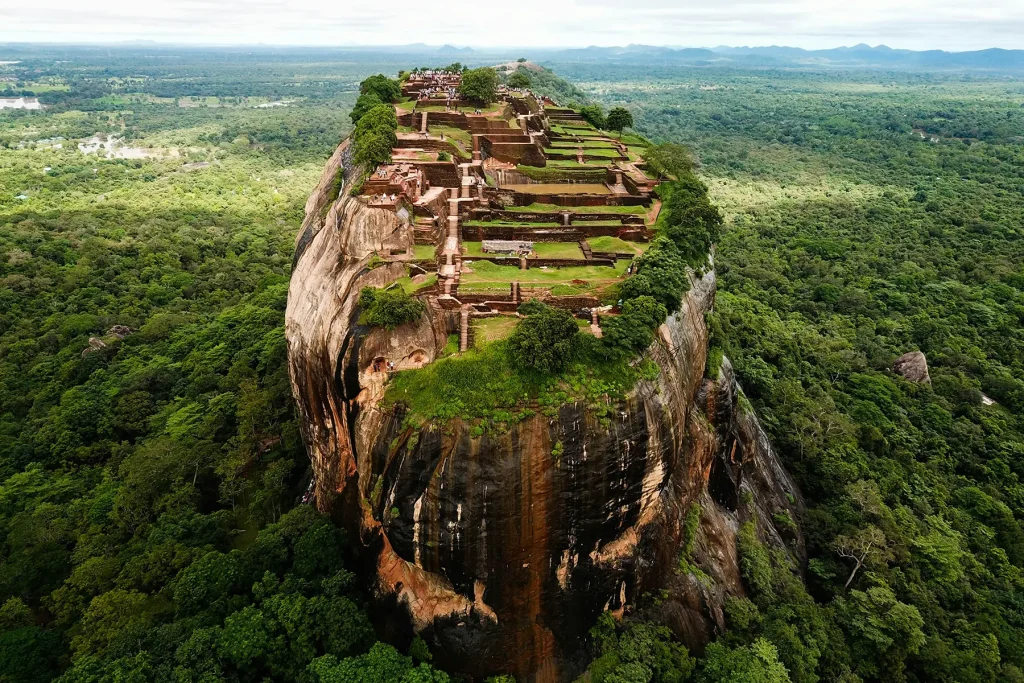
For nearly two decades, from 477 to 495 CE, Sigiriya was transformed into a sophisticated city and defensive citadel. The king built his magnificent palace on the summit of the rock, surrounded by an elaborate network of defensive structures, vast gardens, and a complex hydraulic system. After Kashyapa’s defeat and suicide in battle against Moggallana, the site was returned to its original purpose as a Buddhist monastery, which it remained until its abandonment in the 14th century. It was later rediscovered by Europeans in 1831 and has since become one of Sri Lanka’s most visited and archaeologically significant sites, a testament to ancient human ingenuity. This detailed Sigiriya Rock Fortress guide will walk you through the entire experience.
The Three Gardens of Sigiriya: An Ancient Urban Engineering Masterpiece
A visit to Sigiriya is not just a climb to the summit; it’s an exploration of one of the world’s most sophisticated ancient urban designs. The sprawling 40-hectare site at the base of the rock is divided into three distinct garden types, each a marvel of planning and engineering.
The Royal Water Gardens: Fountains Powered by Gravity
The most famous of the gardens are the Water Gardens, located in the western part of the complex. They feature a symmetrical and elaborate network of canals, ponds, islands, and fountains. The most remarkable aspect is the intricate hydraulic system that still powers some of the fountains today. This system uses a sophisticated network of underground terracotta pipes and pressure chambers built into the rock, all powered by gravity from a nearby large reservoir. The entire rock surface was also engineered to funnel rainwater into cisterns on the summit, ensuring a sustainable water supply for the royal palace.
The Lush Boulder Gardens: Where Nature and Art Collide
Just north of the Water Gardens lie the Boulder Gardens. This area features large, natural boulders and caves that were originally used by Buddhist monks for meditation. During Kashyapa’s reign, these boulders were repurposed as platforms for buildings, adorned with intricate stone stairways and terraces. The most famous is the Cobra Hood Cave, named for the shape of the rock overhang. This area showcases a beautiful harmony between the natural landscape and human-made structures.
Climbing Sigiriya: An Unforgettable Journey Through Time
The climb up Sigiriya is an experience in itself, a physical and historical journey that reveals new treasures at every turn. The path consists of over 1,200 steps, a testament to the grand scale of the original design. This Sigiriya Rock Fortress guide will prepare you for the unforgettable ascent.
The Exquisite Frescoes: Art That Has Withstood the Ages
Approximately halfway up the rock, a narrow spiral staircase leads to a sheltered gallery on the western rock face. Here, you will find one of Sigiriya’s most significant treasures: a series of magnificent frescoes. While only a fraction of the original paintings remain, their vibrant colors and delicate lines are breathtaking. The paintings depict celestial maidens, or “Apsaras,” and were painted using a unique “fresco-secco” technique (painting on dry plaster). Their immense artistic and cultural value is undisputed, as they represent a distinct style of ancient Sinhalese art.
The Legendary Mirror Wall and Its Ancient Poems
Beyond the fresco gallery is the Mirror Wall. This wall was coated with a highly-polished lime plaster, so smooth that it was said King Kashyapa could see his reflection in it. Over the centuries, visitors to Sigiriya carved their thoughts and feelings into this surface, leaving a unique collection of over 1,800 poems, or “graffiti,” dating from the 6th to the 13th centuries. These poems are a fascinating glimpse into the lives and thoughts of ancient Sri Lankans, providing valuable evidence of the evolution of the Sinhalese language. The verses, often praising the beauty of the paintings, showcase a mix of literary styles and emotions.
The Colossal Lion's Paw and the Final Ascent
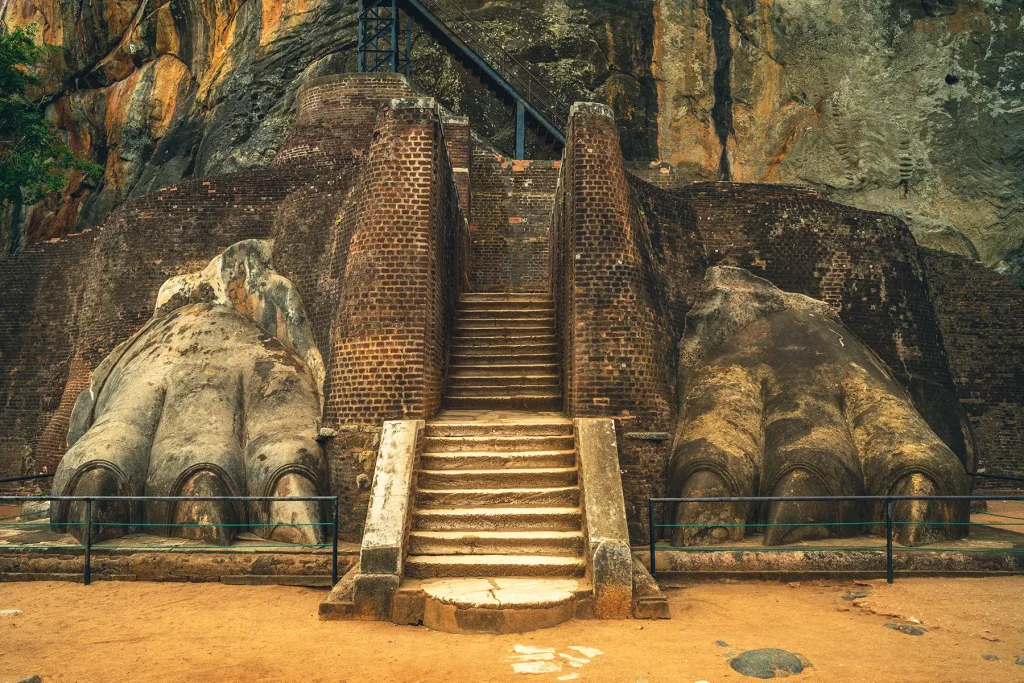
The most iconic section of the climb is the Lion Terrace, where all that remains of a colossal brick-and-plaster lion statue are its two enormous paws. This was the grand gateway to the final ascent, and the rock itself gets its name—”Sinha-giri,” or Lion Rock—from this magnificent statue. Passing between the paws, you begin the final, steep climb on modern metal staircases bolted into the rock, leading to the top. At the very top, you’ll find the ruins of Kashyapa’s palace, including the foundations of the royal throne, a large royal bathing pool, and storage tanks. The 360-degree views from the summit, looking out over the jungle canopy and distant mountains, are a magnificent reward for the challenging climb.
Beyond the Rock: Other Things to Do in Sigiriya
While climbing Lion Rock is the main attraction, the Sigiriya Rock Fortress experience is not complete without mentioning the other great activities in the area that can easily fill a few days.
The Spectacular Sunrise from Pidurangala Rock
For the most awe-inspiring view of the Lion Rock itself, many travelers choose to climb Pidurangala Rock, located just opposite Sigiriya. This hike is less crowded and offers a more natural, adventurous experience. It’s the perfect spot for sunrise, where you can watch the morning light illuminate the famous fortress from a distance.
Explore the Sacred Dambulla Cave Temples
Just a short drive from Sigiriya is the Dambulla Cave Temple, another UNESCO World Heritage Site. This remarkable complex of five caves houses over 150 stunning Buddha statues and vibrant murals. It is one of the most important and best-preserved Buddhist temple complexes in Sri Lanka and is an essential stop for anyone visiting the area.
Immerse Yourself in Local Village Life
To truly immerse yourself in the culture, consider a local village tour. This provides an authentic glimpse into rural Sri Lankan life, often including a bullock cart ride through rice paddies, a short boat ride on a local lake, and a traditional, wood-fired meal. You can also visit local workshops, like those where a “handyman” forges unique metal crafts.
Planning Your Visit to Sigiriya
To make your trip to this ancient wonder seamless, it’s crucial to plan ahead. This Sigiriya travel guide provides all the practical information you’ll need.
Best Time and Recommended Duration
The best time to visit Sigiriya is either early in the morning (around 7:00 AM) or late in the afternoon (after 3:00 PM) to avoid the intense midday heat and the largest crowds. The climb itself takes about 1-2 hours depending on your pace. We recommend allocating a half-day to fully explore the rock and its surrounding gardens. Be aware that wasp hives exist on the rock, and while they are generally not an issue, visitors are advised to be calm and quiet near them.
Essential Tips for the Climb
The climb to the top involves a significant number of steps. Wear comfortable, sturdy shoes and light, breathable clothing. Sunscreen, a hat, and sunglasses are essential, as there is little shade on the exposed sections of the climb. Remember to carry a reusable water bottle to stay hydrated. The Sigiriya entrance fee for foreign tourists is approximately $35 USD, which also includes access to the on-site museum. The museum is a great place to learn more about the site’s history and significance before you begin your climb.
External Resources
For more information on the site and its history, you can visit the official UNESCO World Heritage Centre.
Ready to Plan Your Sigiriya Visit?
The experience of visiting Sigiriya is truly unmatched. The combination of its dramatic history, astonishing engineering feats, and breathtaking panoramic views makes it a must-see for anyone exploring Sri Lanka.