
Polonnaruwa Guide: 10 Incredible Tips for Your Ancient City Trip
Discovering the incredible ancient city of Polonnaruwa, a UNESCO World Heritage site.
Discover the Incredible Ancient City of Polonnaruwa
Welcome to Polonnaruwa, Sri Lanka’s second ancient capital and a captivating open-air museum. As a designated UNESCO World Heritage site, this ancient city offers a glimpse into a glorious past, showcasing an impressive array of Buddhist and Hindu ruins that are remarkably well-preserved. While Anuradhapura is known for its sprawling grandeur, Polonnaruwa stands out for its compact layout, making it a perfect destination for travelers who want to explore a rich history without an overwhelming amount of ground to cover. This comprehensive guide will help you navigate this magnificent site and unlock the secrets of its past.
A Brief History of the Polonnaruwa Kingdom
Polonnaruwa rose to prominence in the 11th century after the decline of Anuradhapura. It was first established as the capital by King Vijayabahu I, who reunited the country after a long period of Chola rule. However, the city’s true golden age flourished under the reign of King Parakramabahu I in the 12th century. During his rule, Polonnaruwa was transformed into a marvel of architecture and engineering, earning Sri Lanka the title of the “Granary of the East.” His reign saw the construction of massive irrigation systems, including the enormous Parakrama Samudra reservoir, which is a testament to the advanced technology of the era. The city’s architectural style reflects a harmonious blend of Buddhist and Hindu influences, a result of the coexistence of these two cultures during this period. The kingdom’s prosperity waned after repeated invasions, and the capital eventually moved elsewhere, leaving the ruins to be reclaimed by nature until their rediscovery.
How to Get to Polonnaruwa
Getting to Polonnaruwa is straightforward, with several transport options available from major cities.
- By Train: The train is a scenic and affordable option. You can take a train from Colombo Fort to Polonnaruwa. The journey takes approximately 6 hours, offering a chance to see the changing landscapes of Sri Lanka.
- By Bus: Buses are the most budget-friendly way to travel. Direct buses from Colombo, Kandy, and other cities run frequently. From Dambulla or Sigiriya, you can easily catch a local bus to Polonnaruwa.
- By Private Car/Taxi: For the fastest and most comfortable journey, hiring a private car is the best choice. The drive from Colombo takes around 4 hours, and you have the freedom to stop for breaks along the way. Many travelers hire a car and driver for their entire trip, which provides flexibility and convenience.
Top 10 Must-See Attractions in Polonnaruwa
The archaeological site of Polonnaruwa is much more compact than Anuradhapura, making it easy to explore in a single day, especially by bicycle. Here are the top 10 attractions you shouldn’t miss.
01. Polonnaruwa Vatadage
Located in the Sacred Quadrangle, this circular relic house is one of the most famous structures in Polonnaruwa. Its intricate stone carvings, guard stones, and moonstones are masterpieces of ancient Sinhalese art.
02. Gal Vihara
This is arguably the most remarkable site in Polonnaruwa. It features four stunning Buddha statues carved out of a single granite rock face, each in a different posture. The reclining Buddha is particularly iconic.
03. The Royal Palace

The remains of King Parakramabahu I’s seven-story palace are truly awe-inspiring. Although only the massive brick walls stand today, they provide a powerful sense of the palace’s original scale and grandeur.
04. Parakrama Samudra (Sea of Parakrama)
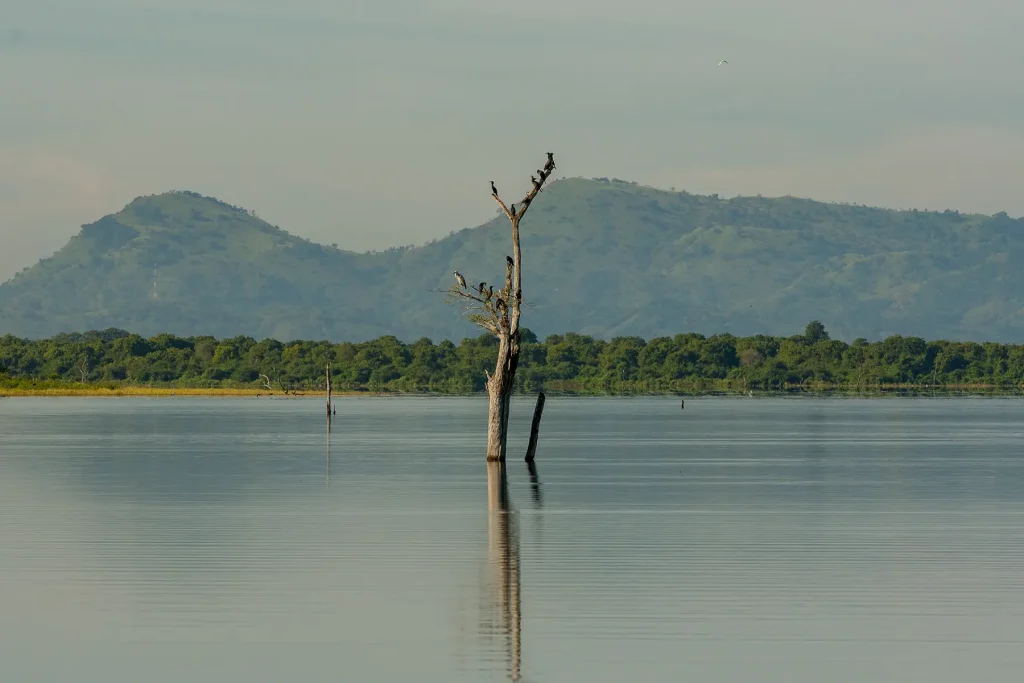
This colossal reservoir is an engineering marvel from the 12th century. The sheer size of this man-made lake is breathtaking and continues to serve the region’s agricultural needs today.
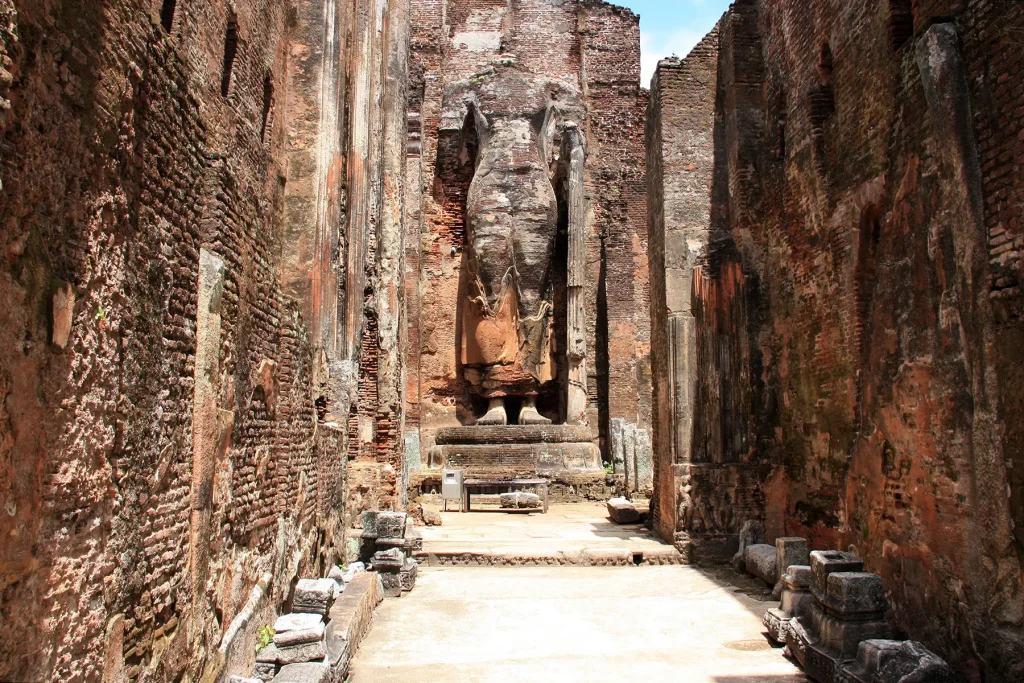
05. Lankatilaka Vihara
This immense brick temple is known for its soaring, 17-meter-tall headless standing Buddha statue and impressive high walls adorned with detailed carvings.
06. Rankoth Vehera
The largest stupa in Polonnaruwa, this colossal brick structure rivals some of the great stupas of Anuradhapura. Its simple yet powerful design is a testament to ancient architectural prowess.
07. Kiri Vihara
Known as the “Milk-White Stupa,” this is the best-preserved unstored stupa on the site. Its original lime plaster coating remains largely intact, giving it a pristine appearance.
08. The Sacred Quadrangle (Dalada Maluwa)
This area is a high concentration of sacred monuments, including the Vatadage, Thuparama, Atadage, and the Stone Book (Gal Pota), a massive stone inscription.
09. Shiva Devale No. 1
This Hindu temple, built entirely of stone, is a testament to the coexistence of Buddhism and Hinduism in the ancient city. It is considered the oldest structure on the site.
10. Lotus Pond (Nelum Pokuna)
This small, lotus-shaped bathing pond, carved from stone, showcases the intricate and elegant design skills of the ancient artisans.
Practical Tips for Exploring the Ancient City
A visit to Polonnaruwa is an incredible experience, but a little preparation can go a long way.
- Entrance Fee & Tickets: You must purchase an entrance ticket from the Polonnaruwa Archaeological Museum complex. The ticket costs around $25 USD for foreigners and is valid for one day. It’s highly recommended to visit the museum first to gain context before exploring the ruins.
- Getting Around: The most popular and enjoyable way to explore the archaeological site is by renting a bicycle. Bike rentals are available near the entrance for a small fee. This allows you the freedom to explore at your own pace. Alternatively, you can hire a tuk-tuk for the day, which is a great option if you have limited time or prefer to avoid the heat.
- Dress Code: Remember that this is a sacred site. You must dress modestly, covering your shoulders and knees. It is also a requirement to remove your shoes and hats before entering the temple areas. We recommend wearing socks as the stone floors can get extremely hot under the sun.
- Timing: To beat the midday heat and avoid the crowds, start your exploration early in the morning, right when the site opens at 7:30 a.m.
Exploring the Surrounding Area
The Polonnaruwa region is not just about ancient ruins. If you have extra time, consider a wildlife safari to one of the nearby national parks, such as Minneriya, Kaudulla, or Hurulu Eco Park. These parks are famous for “The Gathering,” a spectacular sight of hundreds of elephants congregating around the water reservoirs during the dry season.
Accommodation and Food in Polonnaruwa
The city offers a variety of guesthouses and hotels to suit different budgets. Staying in the old city allows you to be closer to the ruins. For food, be sure to try the local Sri Lankan rice and curry. There are plenty of small eateries (known as “buth kade”) that serve delicious and authentic meals.
To continue your journey through Sri Lanka’s cultural heartland, check out our guide to the Anuradhapura. You can also visit our page on the sacred mountain of Mihintale.
For more information on the history of this remarkable site, read the official description from the UNESCO World Heritage Centre.
Ready to Explore the Wonders of Polonnaruwa?
Let our experts guide you through the profound history and cultural significance of this incredible city.