
Dambulla, Sri Lanka: The Ultimate Guide to 2000-Year History
Discovering a city of profound history and cultural significance.
Dambulla: A City of Remarkable Heritage
Dambulla is more than just a destination; it is a foundational pillar of Sri Lanka’s history and culture. Located in the country’s central heartland within the Matale District, the city of Dambulla stands as a testament to the island’s rich past, its enduring spiritual traditions, and its present-day significance as a key economic hub. While many know Dambulla for its iconic Golden Temple, this article delves deeper into the profound importance of this incredible city, exploring its origins, its role in the Cultural Triangle, and its contribution to modern Sri Lankan society.
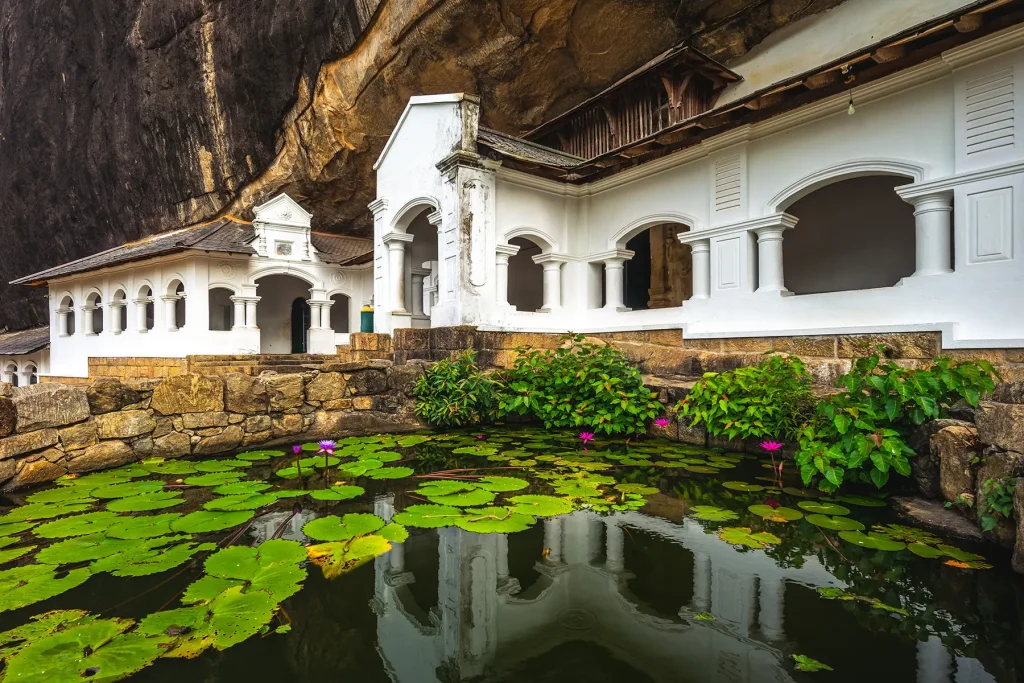
Table of Contents
- Dambulla: A City of Remarkable Heritage
- The Profound History of Dambulla
- The Golden Temple of Dambulla: A Living UNESCO Masterpiece
- The Five Sacred Caves
- A Timeless Collection of Art and Sculpture
- Beyond the Caves: The Ancient Origins of Dambulla
- Dambulla’s Pivotal Role in the Cultural Triangle
- The Modern Significance of Dambulla
- Cultural and Community Life in Dambulla
- Conclusion: Why Dambulla Remains a Monumental Landmark
The Profound History of Dambulla
The history of Dambulla is inextricably linked to its most famous landmark, the Dambulla Cave Temple. The earliest records of its use trace back to the 1st century BCE, when the ancient kingdom of Anuradhapura was under attack by South Indian invaders. According to historical accounts, King Valagamba was forced into hiding for 14 years and found refuge in the natural caves of Dambulla. Upon reclaiming his throne, the grateful king commissioned the transformation of these caves into a magnificent Buddhist temple complex. This act of devotion marked the beginning of Dambulla’s role as a major spiritual center.
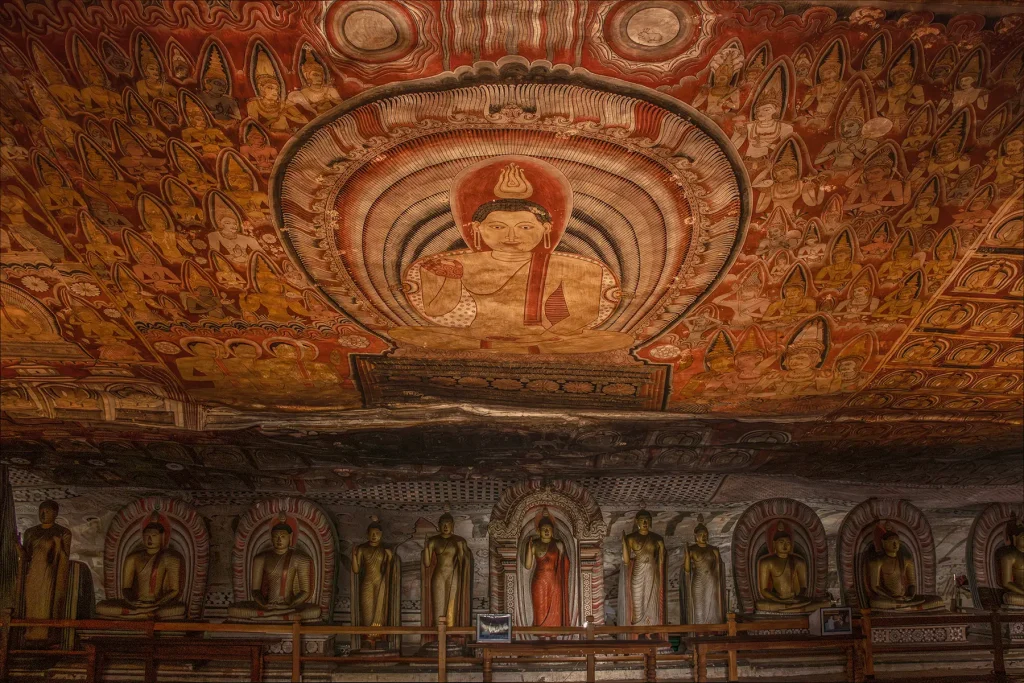
Over the centuries, various kings contributed to the temple’s expansion and artistic embellishment. Notable among them was King Nissanka Malla in the 12th century, who is credited with adding gilded statues to the complex, giving it the name “Golden Temple.” Later, in the 18th century, the Kandyan kings undertook a significant restoration, commissioning the vibrant murals that cover the cave walls and ceilings today. This long and continuous patronage by different rulers has ensured that the Dambulla cave complex remains a living, functional monastery and a repository of Sri Lanka’s cultural heritage.
The Golden Temple of Dambulla: A Living UNESCO Masterpiece
The Dambulla Cave Temple complex, a UNESCO World Heritage site since 1991, is the largest and best-preserved cave temple in Sri Lanka. Situated at the base of a towering rock, the site comprises five main caves, each filled with statues and intricate wall paintings. The complex is not merely a historical relic; it is a profound living example of Buddhist art and spirituality spanning over two millennia.
The Five Sacred Caves of Dambulla
- Devaraja Viharaya (Cave of the Divine King): The first and most spectacular cave is dominated by a majestic 14-meter-long reclining Buddha, carved directly from the rock. This cave also features a revered statue of the Hindu god Vishnu, who is believed to have played a role in the creation of the caves.
- Maharaja Viharaya (Cave of the Great Kings): This is the largest and most impressive cave, housing over 50 statues of the Buddha in various postures, along with statues of kings Valagamba and Nissanka Malla. The ceilings and walls are a mesmerizing tapestry of colorful murals depicting the life of the Buddha and important moments in Sri Lankan history. An interesting feature is the spring that drips from a crack in the ceiling, with its water believed to have healing properties.
- Maha Alut Viharaya (Great New Monastery): Added in the 18th century, this cave showcases the distinct artistic style of the Kandyan period. It is home to a magnificent statue of King Kirti Sri Rajasinha, who restored and revitalized the temple.
- Pascima Viharaya (Western Monastery): Although smaller, this cave features multiple seated Buddha figures arranged around a central dagoba (stupa). The intricate artistry and peaceful atmosphere make it a significant part of the complex.
- Devana Alut Viharaya (Second New Monastery): The most modern of the caves, this section contains a beautiful reclining Buddha statue and brick and plaster sculptures.
A Timeless Collection of Art and Sculpture
The true treasure of Dambulla lies in its art. The murals, covering an area of over 2,100 square meters, are a stunning example of continuous artistic tradition. The paintings, meticulously restored over generations, narrate the Jataka Tales (stories of the Buddha’s past lives) and chronicles from Sri Lankan history. The statues, numbering over 150, range from colossal reclining figures to smaller, exquisitely carved pieces, showcasing the evolution of Buddhist sculpture. These artistic and spiritual masterpieces make Dambulla a monument of universal value.
Beyond the Caves: The Ancient Origins of Dambulla
While the Buddhist temple is the centerpiece, archaeological findings reveal that the area of Dambulla has a much deeper history. Just a few kilometers away, the Ibbankatuwa Megalithic Tombs provide a glimpse into a protohistoric civilization that existed long before the caves were converted into temples. Dating back to between 700 and 400 BCE, this ancient burial site consists of hundreds of tombs and urns, containing cremated human remains along with artifacts made of gold, copper, and iron.
The discovery of gemstones not native to Sri Lanka at the site suggests that this early civilization engaged in trade and had connections with other parts of the world. The Ibbankatuwa tombs are a powerful reminder that Dambulla’s significance extends beyond the well-documented historical period, making it a site of interest for archaeologists and historians seeking to understand the island’s ancient origins.
Dambulla's Pivotal Role in the Cultural Triangle
The city of Dambulla is often referred to as the gateway to the Cultural Triangle. Its central location makes it the perfect base for exploring a constellation of other UNESCO World Heritage sites and historical landmarks. From Dambulla, one can easily access the breathtaking Sigiriya Rock Fortress, the ancient cities of Anuradhapura and Polonnaruwa, and the stunning wildlife of Minneriya National Park. This strategic position along the main road network makes Dambulla an essential hub for travelers and a crucial logistical point for commerce.
The Modern Significance of Dambulla
In the modern era, Dambulla remains a vibrant and bustling city. Its strategic location has transformed it into a major economic center, particularly for agriculture. The Dambulla Dedicated Economic Centre is one of the largest and most important wholesale vegetable and fruit markets in Sri Lanka. Farmers from across the country bring their produce here, which is then distributed to markets island-wide. The market’s energetic atmosphere and immense scale are a direct reflection of the town’s pivotal role in the nation’s economy.
Cultural and Community Life in Dambulla
Dambulla is a living, breathing community where ancient traditions exist alongside modern life. The majority of the population follows Buddhism, and the town is filled with a sense of peace and spirituality. The local community is deeply connected to the land and its agricultural heritage. A walk through the town reveals a vibrant tapestry of daily life, from bustling local eateries serving authentic Sri Lankan cuisine to small shops selling local handicrafts and produce. This blend of the sacred and the everyday defines the unique character of Dambulla.
Conclusion: Why Dambulla Remains a Monumental Landmark
Dambulla is a city that masterfully blends its ancient past with its vibrant present. It stands as a profound testament to centuries of devotion, artistic expression, and human resilience. From the serene, sacred beauty of its cave temples to the bustling energy of its markets, Dambulla offers a comprehensive view of Sri Lankan heritage. Its role as a historical and spiritual sanctuary, a crucial economic hub, and the central point of the Cultural Triangle solidifies its place as an unmissable and truly monumental landmark.
For more information on Sri Lanka’s historical and cultural sites, check out the official UNESCO World Heritage Centre.
Ready to Discover Dambulla?
Let our experts guide you through the profound history and cultural significance of this incredible city.