
Yala National Park: 5 Amazing Tips for Spotting Leopards
An unforgettable guide to the island's best sights for you and your kids.
Your Ultimate Guide to Yala National Park: The Leopard Capital of the World
Welcome to Yala National Park, Sri Lanka’s most visited and most famous wildlife reserve. Located in the southeast corner of the island, Yala National Park is renowned globally for having the highest concentration of leopards anywhere in the world. This makes the park a dream destination for wildlife photographers and big-cat enthusiasts. Beyond the elusive leopard, this sprawling park offers diverse habitats where you can spot elephants, sloth bears, and a stunning variety of birds. This comprehensive guide provides everything you need to maximize your chances of an unforgettable safari experience in Yala National Park.
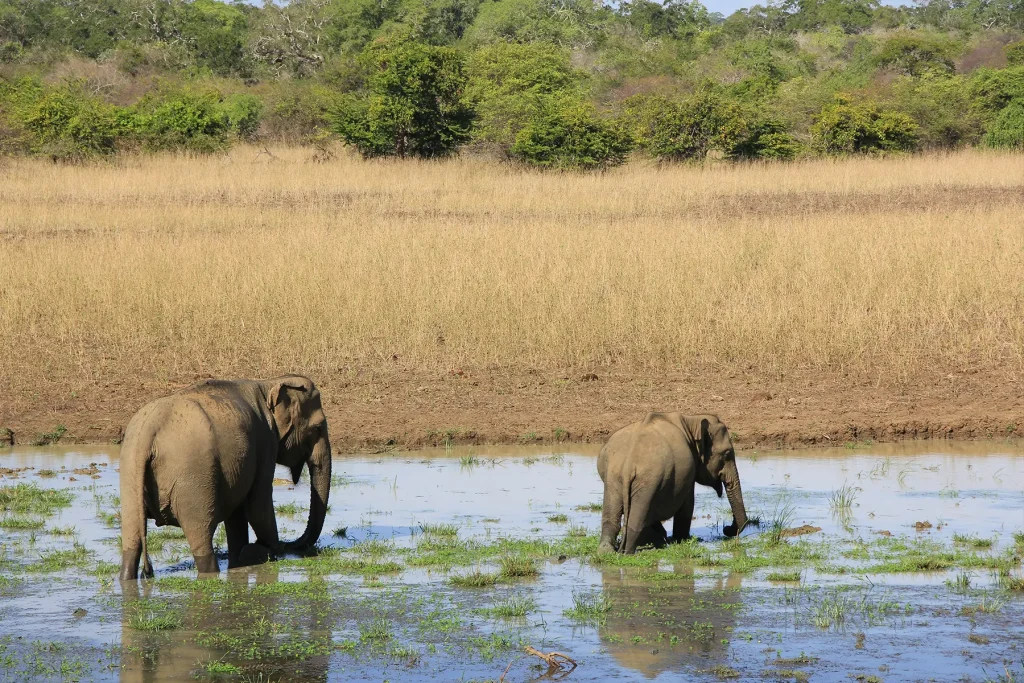
Table of Contents
Why Yala National Park is the Leopard King
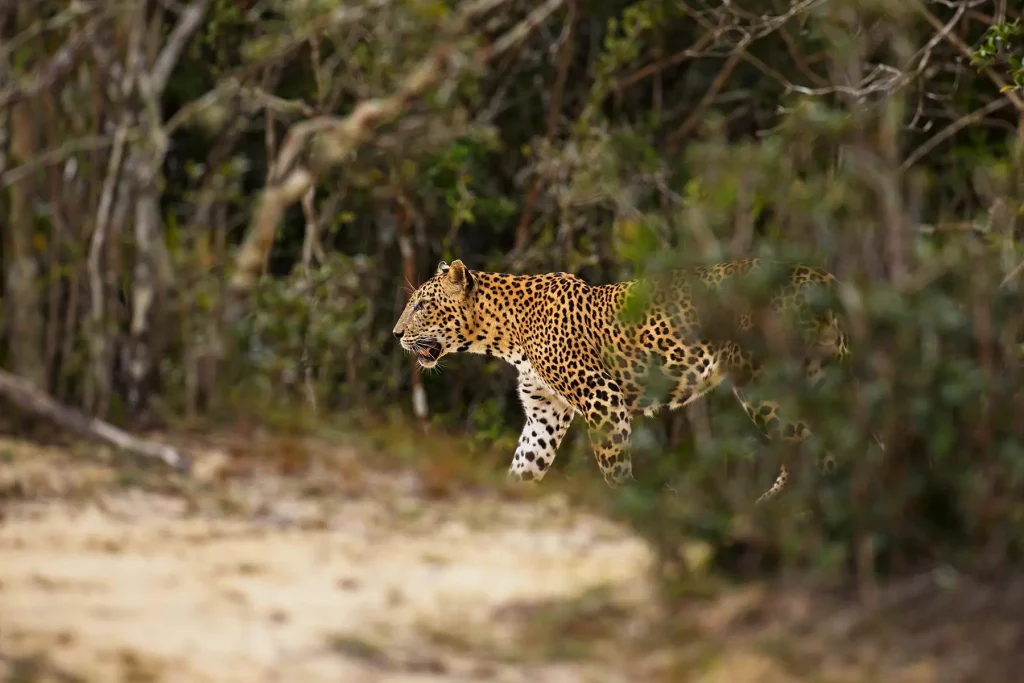
Yala National Park is home to the Sri Lankan Leopard (Panthera pardus kotiya), a unique subspecies. The park’s dense population of leopards, estimated at around 30-50 in the main Block 1, translates into the highest leopard density recorded anywhere on the world. Unlike their African counterparts, Sri Lankan leopards have no competition from larger predators like lions, making them more confident and often visible during daylight hours. This diurnal behavior significantly increases your chances of spotting one lounging on a rocky outcrop or walking along a jeep track.
The Big Three: Leopards, Elephants, and Sloth Bears of Yala
While the leopard is the main draw, Yala National Park is part of Sri Lanka’s “Big Three” wildlife experiences:
Leopards
The apex predator. Sightings are never guaranteed, but the dry scrublands and rocky areas of Yala are the prime locations.
Elephants
Although Yala is not primarily famous for large herds like Minneriya, you can regularly see Asian Elephants bathing in the numerous waterholes and tanks (reservoirs).
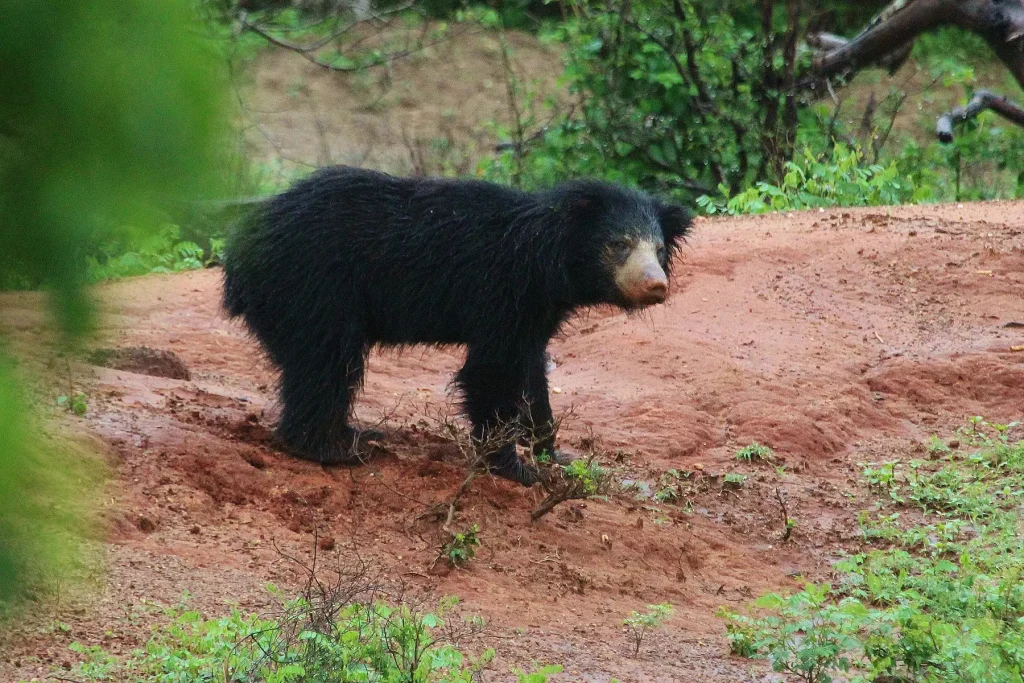
Sloth Bears
The most challenging of the Big Three to spot. Sloth Bears are most frequently seen during the fruit-bearing season of the Palu tree, typically from May to July, when they descend from the trees to feed.
The park is also home to wild water buffalo, spotted deer, sambar deer, marsh and saltwater crocodiles, and over 215 species of birds, making every moment of your safari an opportunity for discovery.
Top 5 Amazing Tips for Spotting Leopards in Yala National Park
Maximizing your chances of a leopard sighting requires preparation and patience.
1. Time Your Drive Perfectly
Leopards are most active during the cooler hours of the day. Book a safari for dawn (6:00 AM) or dusk (3:00 PM onwards). Being at the gate just before it opens gives you the best chance of spotting one before the day gets hot.
2. Choose an Expert Guide
A skilled local driver/tracker is your most valuable asset. They understand leopard behavior, know common territories, and can spot the freshest tracks and territorial markings that tourists will miss.
3. Book the Right Block
Block 1 is the most popular due to the highest concentration of leopards, but this also means more crowds. For a more tranquil experience, consider a safari in less-visited blocks, such as Block 5, which can offer excellent sighting opportunities with fewer jeeps.
4. Be Patient and Silent
When your guide stops near a rocky outcrop or a known water source, be patient. Stay quiet and avoid unnecessary movement. Leopards are shy, and noise or chaos can scare them away.
5. Look Up
Leopards often climb trees to enjoy their meal, rest, or escape the dense scrub. Always scan the branches of large trees, especially near waterholes.
Best Time to Visit Yala National Park
The weather directly impacts wildlife visibility:
Peak Season (February to June)
This dry period is the best time for wildlife viewing. As water sources diminish, animals are forced to congregate around the remaining tanks, making them much easier to spot.
Monsoon Season (November to January)
The northeast monsoon makes the park lush and green, which is great for landscape photography and birdwatching, but the dense cover makes sightings more difficult.
Annual Closure (September - Mid-October)
Yala National Park typically closes its most visited section (Block 1) during a portion of this dry period for maintenance and to allow the ecosystem to recover from tourism. Always check the official status with the Department of Wildlife Conservation before booking a trip during these months.
Essential Safari Logistics and Fees
Jeep Hire
Safaris are conducted exclusively in private 4×4 jeeps, which you must hire locally. Prices for a half-day safari are negotiated with local operators and cover the jeep and driver/tracker.
Entrance Fees
Park fees are paid separately at the entrance gate. Fees are payable per person, per jeep, and for service charges.
Duration
A half-day safari is approximately 4 hours, and full-day safaris are also available for deeper exploration.
Beyond the Wildlife: Yala's Unique Landscape
Yala National Park offers a dramatic contrast of landscapes, from dense jungle and scrublands to wide-open grasslands, rocky outcrops, and stunning natural beaches where the jungle meets the sea. This ecological diversity is what allows so many different species to thrive. The park is an important place not just for wildlife, but also for its cultural and historical significance, containing important ancient Buddhist ruins like Sithulpawwa.
For an alternative wildlife experience, consider Minneriya National Park, famous for the Elephant Gathering.
Yala is often combined with the coastal towns of Mirissa and Galle Fort.
For the most current information regarding park closures and fees, check the Department of Wildlife Conservation of Sri Lanka website (DWC).
Ready to Plan Your Yala Safari?
Let our experts craft a personalized itinerary that includes this unforgettable safari adventure.